
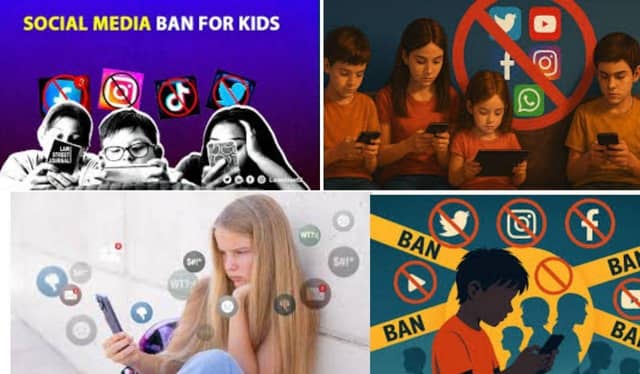
Should Social Media be banned for kids?

By Katie Stephens, Att10tive Youth Ambassador
Social media has become a huge part of children’s lives — especially for Generation Alpha.
From TikTok trends like “skibidi toilet” and “rizz” memes, to Get Ready With Me videos, Outfit of the Day posts, and endless scrolling, young people are growing up in a digital world that is both exciting and risky.
But with concerns rising about cyberbullying, screen time and online safety, many parents are asking the same question: Should social media be banned for kids?
As an Att10tive Youth Ambassador, I’m passionate about helping young people navigate the online world safely, confidently and responsibly.
The Case For Kids Being banned from Social Media
Despite the concerns, social media isn’t all negative. For many children, it provides:
- Connection: Apps like TikTok, Instagram and Snapchat help young people stay in touch with friends and family, especially when they feel isolated.
- Creativity: Platforms such as YouTube allow children to express themselves through videos, gaming content, vlogs and livestreams.
- Learning: Educational apps like Duolingo, Khan Academy Kids, Messenger Kids and Zigazoo offer age‑appropriate, interactive learning experiences.
According to Greenbook’s report “Gen Alpha’s Holiday Influence: Trends, Tastes, and the Power of Digital Culture,” 56% of children use YouTube, 22% use TikTok, and smaller numbers use Snapchat or Instagram. This shows just how deeply digital culture shapes the lives of today’s young people.
The Case Against kids Being banned From Social Media
However, the risks are real and growing.
One of the biggest concerns is cyberbullying. This includes:
- Hurtful or threatening messages
- Spreading rumours
- Fake profiles
- Sharing photos or videos without permission
Cyberbullying can seriously affect a child’s mental health, leading to low self‑esteem, anxiety and depression.
A BBC report on the Health Behaviour in School‑Aged Children (HBSC) survey found that cyberbullying has increased since 2018. In the UK:
- Around 1 in 5 adolescents say they’ve been cyberbullied
- 11% admit to cyberbullying others
- An estimated 42% of children have experienced some form of online bullying
Young people may bully online to gain attention, fit in with certain groups, or because they feel anonymous behind a screen.
Finding a Balance
So, should social media be banned for kids? The answer isn’t simple.
A complete ban may not be realistic — or helpful. Instead, the focus should be on guidance, communication and boundaries.
Parents and carers can help by:
- Talking openly with children about their online experiences
- Teaching them about privacy, digital citizenship and respectful behaviour
- Setting clear rules around screen time
- Using parental controls and monitoring tools
- Encouraging offline hobbies and real‑world friendships
With the right support, children can enjoy the benefits of social media while staying safe.
Conclusion
While the risks of cyberbullying and online harm are serious, banning social media altogether isn’t the most effective solution. As an Att10tive Youth Ambassador, I believe social media can offer huge opportunities for creativity, learning and connection as long as young people are taught how to use it responsibly.
Parents, schools and policymakers all have a role in creating a safer digital world. By working together, we can help children make the most of social media while protecting them from its dangers.
To learn more about online safety and our work visit Att10tive.com and follow Att10tive on LinkedIn, Facebook, Instagram and YouTube for updates.