
Two in five children in Luton not ready for school – as concerns raised about disadvantaged kids' development
Two in five children in Luton are not ready for school by five years old, new figures show.
At five years old, children's development is tested across 17 early learning goals, which cover skills such as motor functions, communication and language, mathematics, and personal, social and emotional development.
They are designed to determine whether a child is 'school-ready' at the end of their reception year.
New Department for Education analysis shows 40 per cent of all children in Luton did not meet the expected standard – down from 42 per cent the year before.
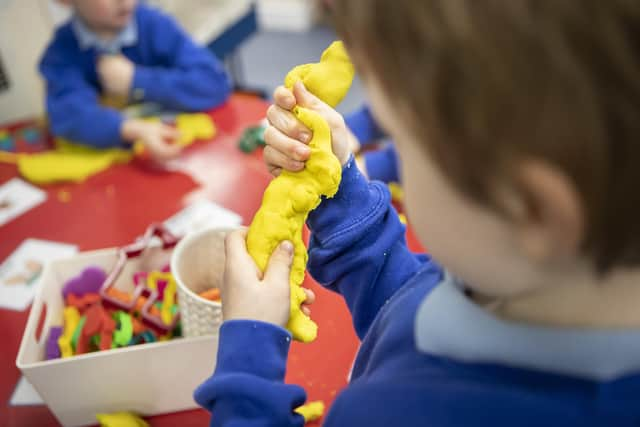

Meanwhile, around 698 children in Luton were in the bottom fifth for deprivation. Of these, 41 per cent were deemed not ready for school, whereas 20 out of 57 children in the wealthiest fifth were not ready.
Anne Longfield, executive chair of the Centre for Young Lives and a former Children’s Commissioner, said the development gap between disadvantaged children and their peers is extremely alarming.
She added: "This is not only holding back the life chances of many thousands of children, it is bad for our economy, it puts additional strains on schools and teachers, and it is often a warning sign for future school absence and disruption."
Nationally, 42 per cent of the poorest children did not meet the expected standard last year, compared to 25 per cent of the wealthiest quintile.
Across all children, 34 per cent were not ready for school.
Early Education Minister Stephen Morgan said: "It’s simply not good enough that almost a third of children aren’t school-ready at age five.
"Teachers being taken off teaching to manage issues with school-readiness holds back every child’s learning and life chances.
"This Government has inherited an early years system that fails to drive the highest outcomes and tackle inequality, but we have a clear mission to break down barriers to opportunity and ensure tens of thousands more children are school-ready through our Plan for Change.
"We have already started that work: extending early language support, investing £15 million to deliver the first phase of school-based nurseries, and improving training and guidance for early educators to better support and assess children with special educational needs."