
Chief medical officer urges Bedfordshire patients to "use NHS wisely" ahead of "unprecedented" all-out five-day doctors' strike
Patients across Bedfordshire are being warned to “use NHS services wisely” after it was confirmed the all-out, five-day resident doctors’ strike will be going ahead in a move described as ‘completely unprecedented’ by Wes Streeting.
The UK's Secretary of State for Health and Social Care has condemned the decision by resident doctors to “recklessly and needlessly” press ahead with strike action, saying it is “completely unprecedented in the history of British trade unionism” – as reported by the likes of The Guardian.
Mr Streeting says the move shows “disdain for patients”.
Now patients across Bedfordshire have been urged to help the local NHS to preserve care for those who most need it, ahead of the national strike, which is due to begin on Friday (25 July).
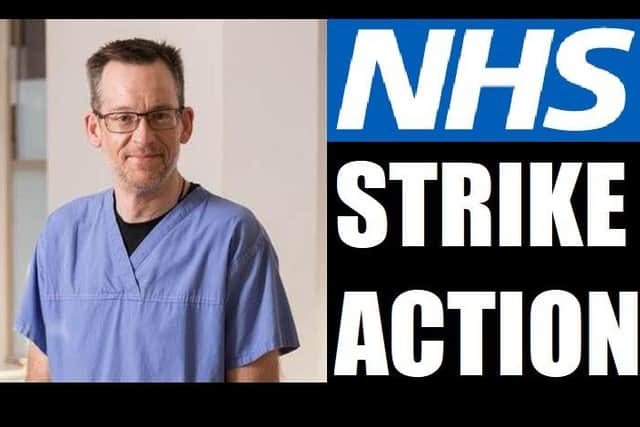

NHS leaders in the region have again urged patients and the public to choose services wisely, to help protect care for the most vulnerable.
Resident doctors will undertake an all-out strike from 7.00am on Friday 25 July until the same time the following Wednesday (30 July).
As during previous strikes by medical staff in recent years, hospitals will run differently during this time, with resources prioritised in order to provide urgent and emergency services, maternity services and ward-based care. This means that hospitals may have to make the difficult decision to rearrange non-urgent operations, treatments and routine appointments. Where this is the case, patients will be contacted directly.
NHS leaders are urging local people to choose health and care services wisely and to take simple steps to ensure care is available to patients who need it most. This includes using 111 Online as the first port of call for health needs and continuing to attend emergency departments only if it is a life-threatening emergency.
Many GP practices and pharmacies will be running as usual during the strike, but a small number of local practices may be affected by the industrial action as they provide opportunities for those who are training to become GPs.
Dr Andrew Rochford, chief medical officer at Bedfordshire, Luton and Milton Keynes Integrated Care Board, said: “We are encouraging local people to think carefully before using NHS services during the forthcoming strike. Please help us to focus our attention on those who most need it.
“You should only attend an accident and emergency department if you require emergency, life-saving care. Anybody needing non-urgent care should contact 111 Online in the first instance, or seek advice from a local pharmacist who is very well placed to offer help.
“Previous NHS strikes have seen many hospital appointments postponed, and we again expect to see significant disruption. We expect many services to be extremely busy, and there are likely to be longer waiting times, particularly at our hospitals’ emergency departments.”
The NHS has issued what it calls “top tips for patients during the forthcoming resident doctors’ strike”:
- If you need urgent help for a health condition, use NHS 111 Online at 111.nhs.uk or call 111. Your symptoms will be assessed, and you will be provided with healthcare advice or an appointment to see a doctor or nurse if this is needed. NHS 111 can also send an ambulance and can book an appointment for you in some services like urgent treatment centres.
- If you are in a mental health crisis, call NHS 111 and get straight through to mental health help by selecting option 2.
- If you require a repeat prescription for regular medication, put in your request today, so that it can be looked at in good time. Many practices allow you to order repeat prescriptions through the NHS App.
- Feeling a bit under the weather? The NHS website has lots of advice to help you to look after yourself when you have minor symptoms. There is also information about what is a serious medical emergency: When to call 999.
- Pick up a few medicines while you’re shopping so that you can look after minor illnesses or injuries yourself. You can buy essentials like paracetamol, ibuprofen, plasters, antiseptic cream, allergy medicine and indigestion remedies from pharmacies and supermarkets for less than the cost of a prescription. Remember: cheaper, non-branded versions of medicines work just as well as branded products.
- If you need a medicine which you can buy only at the pharmacy, you can use the Find A Pharmacy tool.