
Heatwave leaves Luton’s rare chalk grasslands ‘withered away’ as wildlife struggles
Luton and Dunstable's rarest wildlife has been at risk as drought has left chalk grasslands “withered away” by the heat.
Luton and Dunstable's rarest wildlife has been at risk as drought has left chalk grasslands “withered away” by the heat.
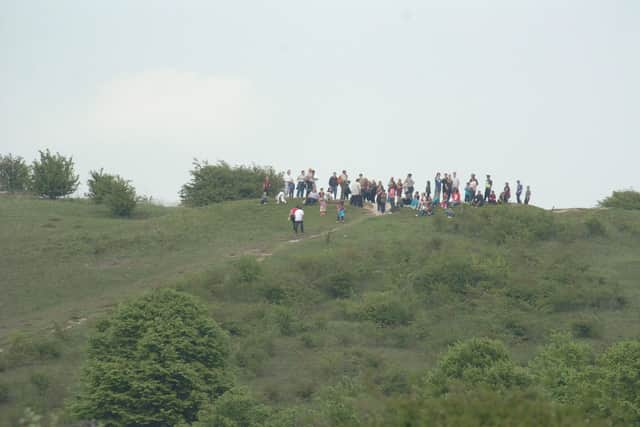

The Wildlife Trust say weeks of dry weather have created challenging growing conditions for plants and wildlife across the region.
Aidan Matthews, senior reserves manager at the Wildlife Trust, said the chalk grasslands around Luton support a “wealth of creatures and plants”.
He said: “The shallow soils are tough conditions at the best of times, which favours smaller and more fragile plant species, but the ground has been so hard-baked and dry for so long the plants are now withering away.”
The slopes of Galley and Warden Hills, Dallow Downs and Blow’s Downs are home to a range of wildflowers including field scabious, greater knapweed and kidney vetch.
These plants provide food for insects, including rare butterflies, but the lack of vegetation caused by the heat is making it harder for wildlife to find food.
Mr Matthews said: “As the plants die back in the relentless heat however, the sources of food for these insects become scarcer to find and they retreat to the shadier areas of the sites for shelter from the scorching sun.”
The Wildlife Trust and Luton Borough Council manage the sites to protect their valuable chalk grassland habitats.
Cattle, including Red Polls and Highland cows, are used to graze the land and help prevent bramble and shrub cover from taking over.
The work is designed to maintain open areas where wildflowers can thrive, while providing nesting sites for birds and shelter for insects.
The comments come as parts of the country continue to experience prolonged hot and dry conditions, putting additional pressure on wildlife and green spaces.
For more information on protecting Luton’s wildlife and green spaces, visit the Wildlife Trust’s Wilder Luton project.