
No place for racism and discrimination says Bedfordshire hospitals trust in aftermath of damning report
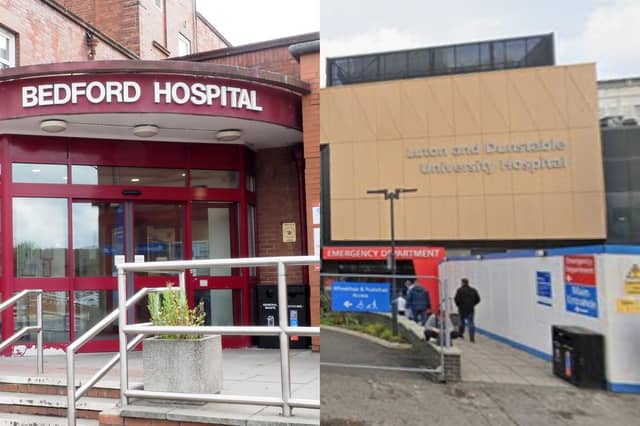

Racism, discrimination and disrespect “have no place in our organisation”, Bedfordshire Hospitals NHS Foundation Trust has warned.
The findings of a Care Quality Commission (CQC) report published in 2024 “were deeply concerning” to the Trust, according to a report to Luton Borough Council’s scrutiny health and social care review group.
The Trust “remains committed to building a culture of safety, respect, and equity for every patient and each member of our staff”, said the report.
“A Trust-wide culture review has involved better listening sessions and the coproduction of anti-racism and civility charters. We’re not complacent.
“Cultural change takes time and we’re committed to long-term sustainable improvement, shaped by the voices of staff, patients and the communities we serve.
“An independent culture review was conducted with maternity staff across the Trust to hear their experiences and identify barriers to inclusion and respect.”
Director of midwifery at the Trust Emma Hardwick acknowledged: “We’ve had some challenges about the culture within our maternity services department.
“We’ve worked hard with our Trust colleagues to develop some good mechanisms of listening to staff and they’ve contributed to anti-racism and civility charters.
“These are being rolled out and trialled within our units. Along with that the investment in training and clinical standards is really important.”
Asked about the current staff morale, Ms Hardwick explained: “Some people will say things could be better at times. but they’re telling us now what could improve.”
Labour Farley councillor Mahmood Hussain referred to “the allegations of racism”, saying: “It shocked me, as Luton is a diverse town.
“To find racism and discrimination in Luton and Dunstable Hospital when it’s such a diverse community, did that surprise you?”
Trust chief executive David Carter replied: “It surprised us because we pride ourselves on staff raising concerns and these hadn’t filtered through to us.
“The work we’ve done is really encouraging. A national staff survey shows there’s racism in the NHS. We shouldn’t accept that it doesn’t exist.
“One of the benefits is that it’s opened up a conversation. It shows us how complex this is, certainly with both staff who receive racism from patients and from each other.
“We also recognise we’re a very diverse staffing cohort. There are more than 100 different countries represented in that staff group. But that doesn’t mean racism isn’t likely to happen.
“We know it’s a real factor in society and that’s then reflected in our hospitals. We’ve real mechanisms now and staff feel confident in raising those (issues), perhaps in a way they didn’t feel in the past.
“We’ve 10,000 employees in the organisation, We always anticipate there’ll be pockets of problems which occur with that number of staff.
“What’s important is staff feel they can raise things which happen internally to the organisation, rather than externally. That’s a sign of failure when staff feel they have to go outside to raise something,” he added.
“It would be unrealistic to expect we’ll never have issues of racism within the organisation. What’s realistic to expect is that staff can escalate this when it happens and we can deal with the matter.”