
Plans for Luton's trial red route set to be overturned
A new Liberal Democrat-led administration in charge of Luton Borough Council is set to overturn plans for a trial red route in Bury Park.
The opposition coalition on the local authority challenged the previous Labour ruling group about the highways department measures to improve traffic flow and tackle pedestrian safety issues in the area.
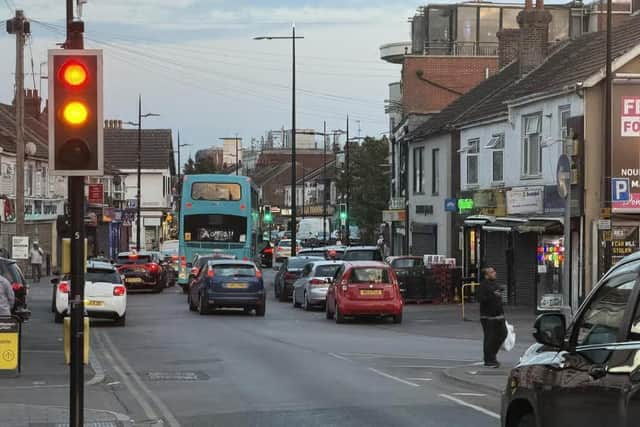

But the proposals were still due to go ahead this autumn, including the experimental red route along a stretch of Dunstable Road.
A vote of no confidence last month led to the end of nearly 20 years of Labour rule in the town, leaving the project vulnerable to change.
The first meeting of the coalition executive committee tonight (October 5) is due to approve similar recommendations to those it suggested to the previous administration.
These include a preference for increased enforcement of current traffic regulations on yellow lines, rather than the planned use of cameras to monitor double red lines.
Bury Park is a key commercial, residential and community hub with high volumes of through traffic and public transport, according to a report to the executive.
Concerns relating to congestion, road safety and inappropriate parking behaviour have been raised by the community and stakeholders for many years, said the report.
It stated: “Among the issues to be addressed are better safety for pedestrians by removing parked cars around formal crossing points, footway parking restrictions to stop vehicles illegally parking on footpaths, and increasing parking availability in the area.
“Loading bay hours would be extended from 7pm to 7am to 7pm to 10am to give businesses more time to load and unload, while loading bay maximum stays would increase from half an hour to 45 minutes.
“Further traffic surveys could identify whether bus stop design and layout is contributing to congestion. Old or disused signage, bollards and clutter could be identified and removed, with more seating and planting where possible in vacant tree pits.
“The red route restrictions under an experimental traffic regulation order would enable more effective enforcement of the current restrictions in place.
“Officers have reviewed the full council recommendations from last month and will commission an independent economic impact assessment of the proposed scheme.
“This will consider the economic benefits and costs of the measures, in particular the red route, compared to the additional enforcement option.”
Specific elements to be analysed are:
> estimating the potential impact on local business;
> assessing the benefits of reduced congestion and improved pedestrian access;
> consideration of other wider social and economic costs and benefits;
> and an overall value for money assessment of the project.
The report added: “Subject to approval by the committee, it’s proposed to do this work during the next three months and report back to the executive early next year.”
The report estimates providing enforcement for a 16-hour day using the current restrictions would require at least 15 more staff. This would include 12 new civil enforcement officers, and would cost about an extra £700,000 per annum.
The executive is asked to agree action is required to tackle the concerns raised by the Bury Park community, and note officer responses to full council’s recommendations and to approve the actions proposed relating to each.
The committee is also requested to back measures avoiding the need for a red route by employing more enforcement officers, subject to availability of resources.