
Premier League promotion sees Luton Town announce record turnover and profits
Hatters publish club accounts
Luton Town have announced record turnover and record profits for the financial year ending on June 30, 2004 after publishing their accounts yesterday evening.
Promotion to the Premier League via the Championship play-off final meant the Hatters’ league distributions increased dramatically from £10,123,485 to £116,604,276, while matchday revenue went up by just over £1m from £5,065,826 to £6,190,409 and commercial jumped from £3,237,350 to £9,527,171. That saw Town’s turnover, which was £18,426,661 the previous year, climb to a hefty £132,321,856, as the club made an overall profit of £41,688,824 which was greatly improved on the overall loss of £8,361,730 the previous year.
With promotion though came greater expenditure as despite the wages to turnover ratio dropping from 150% to 43%, the amount actually splashed out on wages doubled from £24,330,435 to £49,668,063, with social security costs going up from £3,150,841 to 7,054,294. There was also a significant amount of bonuses paid out due to reaching the top flight, while Luton also opted to pay back the rest of the £6,130,724 loan that was taken out during Covid.
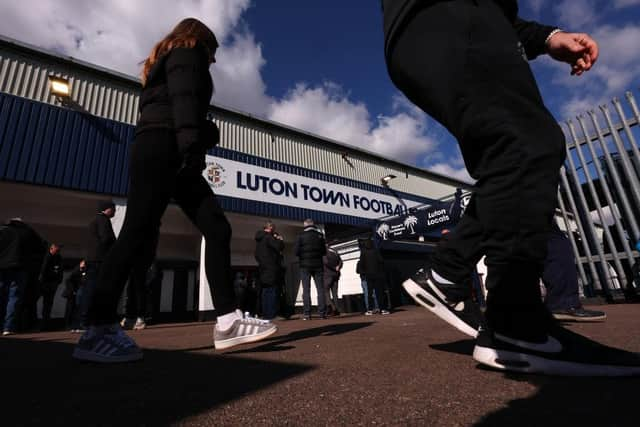

Despite that, Town’s actual bank balance was slightly lower than the previous year, as it went down from £1,715,863 to £1,639,954, but explaining why that is, the club’s strategic report said: “The accounts show both record turnover and record profits, as a result of being promoted to the Premier League for the first time. Promotion to the Premier League resulted in significantly increased costs in 2022/23, as bonuses, contingent fees and other related costs were incurred, but also led to a huge increase in turnover in 2023/24 as the club received Premier League broadcasting distributions for the first time.
"Administrative expenses increased by approximately forty percent as the club grew to support the demands of the Premier League and player trading activity was largely limited to acquisitions to improve the squad, which accounts for the low level of related profit. Player wages also increased enormously from EFL Championship levels, but gross profit still swung upwards by over £70m, illustrating the financial dominance of the top tier of the English game.
"It is important to note, that due to on-going strategic investment and the way in which capital expenditure is accounted for, the £48m operating profit is not excess cash, indeed the club’s bank balance was marginally lower at the end of June 2024, than it was one year previously. All profits have been reinvested or earmarked to support the club’s long term ambitions.
"The club funded the Bobbers Stand redevelopment to accommodate more fans and meet broadcast and media requirements, upgrades to the training facility at The Brache, new office space for back office staff and funds have been ring-fenced for longer term investments in the academy upgrade and, primarily, to support the new stadium at Power Court.
“The club also spent over £25m on player acquisitions to build a squad that would be competitive in the Premier League, paid out promotion bonuses to players, staff and shareholders relating to the 2022/23 season and made early repayment of the EFL COVID loan. For full transparency, it should be noted that no dividends have been paid to directors from the club’s profits.
“Costs increased dramatically as the club grew to support the demands of the Premier League, with squad costs the largest contributing factor. Despite this, the wages to turnover ratio dropped significantly illustrating the club’s continued commitment to a sustainable business model and mitigating the financial risk of relegation, which was confirmed at the end of the 2023/24 season, despite maintaining a competitive challenge for survival throughout the season.”
Although unable to remain in the highest echelon of English football, Luton’s promotion to the top flight does guarantee them a fair amount of extra income for the next two years, as the report continued: “Having gained promotion to the Premier League at at the end of the 2022/23 season, and with parachute payments guaranteed for two years on relegation, the club has secured significantly increased revenues until at least 2025/26. However, this remains an uncertain time for the game with the Football Governance Bill aiming to establish an independent regulator to ensure English football is financially sustainable.
"The redistribution of broadcast revenue down the football pyramid remains an open question. There are also plans in place due to the current distribution model of the football league, a principal risk for the football club is the performance of the first team in relation to league status. The group manages the impact of this through control of player wages (relegation clauses) and situational planning dependent on league status.”
Despite dropping back into the Championship and with a real threat of going down once more to League One, the report did point towards a bright future for the Hatters, adding: “The club’s long-term plan to consolidate towards the top of the football pyramid remains on course, particularly following promotion to the Premier League and the financial reward that brought. The club will continue to invest in a strong playing squad as well as vital infrastructures including the training ground and new stadium at Power Court. The long held ambition of upgrading the Academy to EPPP2 (Elite Player Performance Plan) will also be progressed in the coming year.”
Also during the year, Mike Herrick resigned as a director and sold his shares to an existing shareholder, Rob Stringer, so there was no change to the club’s equity position.