
Opinion: How to unlock Luton’s potential
Across the UK, the challenge of young people finding themselves Not in Education, Employment, or Training—commonly referred to as NEET- remains a social and economic issue. In Luton, this is not merely a statistical metric; it is a human reality that touches families, classrooms, and neighbourhoods every single day. Att10tive has for more than ten years, been supporting young people across our town through bespoke educational workshops, listening to their experiences, and helping them navigate the transition into employment through our close links with a wide range of employers.
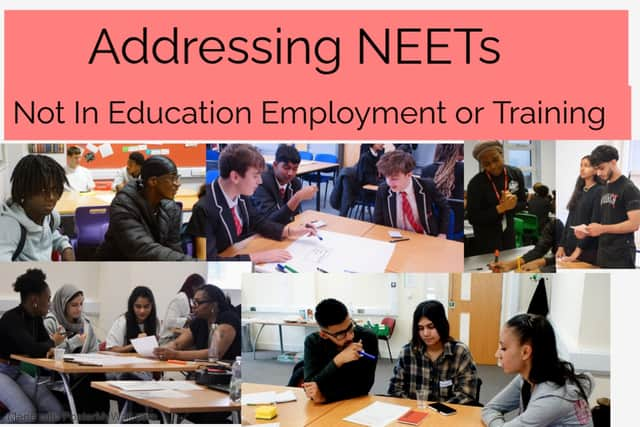

While the circumstances driving youth disengagement are complex, the solution is within our collective reach. Addressing this issue requires local authorities, educational institutions, and businesses to move beyond siloed approaches and adopt a unified, preventative strategy. Working alongside our schools and colleges we engage directly with young people of different ages and a wide range of abilities to help to reduce the likelihood of young people not being in work, falling out of education or not being able to be employable. This needs to start at an early age, not when they are in their twenties.
Understanding the Root Causes in Our Town
To build an effective local strategy, the authorities and educators must first understand why young people become NEET. Higher levels of disengagement are historically concentrated in specific parts of Luton, areas facing long-standing economic pressures. This is usually the result of multiple overlapping barriers:
Low Confidence Barriers: Low self-esteem, anxiety, depression, and trauma rooted in academic disengagement. This is particularly critical for teenagers aged 13 to 15.
Unmet Educational and Special Needs: Undiagnosed SEND and unaddressed learning requirements create early disengagement. Crucially, some young people reach early adulthood with a reading age significantly below their actual age.
Financial Strain and Higher Education Dropouts: Economic pressures the need to find work even part time forces tough decisions for many. Teenagers living in households with unemployed parents, single parents, or caregivers working multiple jobs often feel compelled to drop out of college due to affordability issues.
Lack of Accessible Guidance and Mentorship: Many young people under-18s lack clear direction. Career leads in schools often have limited opportunities to offer, particularly as employers seek candidates who are immediately work-ready and of course only want the best people. Young people from lower-income backgrounds possess fewer business contacts, resulting in too many applicants chasing the same few employers.
Local Economic and Skills Mismatches: There is a distinct gap between job market demands and entry-level capabilities. Many young people struggle to grasp fundamental workplace requirements. Out of financial necessity, some accept short-term, low-skilled work, only to get stuck in temporary roles without progression.
Transportation and Systemic Hardships: Opportunities located across town can be unreachable for young people who cannot afford bus fares before their first payday. Others carry adult burdens early, serving as primary carers, facing housing instability, or navigating education after school exclusion or youth detention.
The Opportunity Gap: Finally, many young people are fully employable and proactive, yet they face continuous rejection online without receiving constructive feedback.
The Recommendations for Local Action
Recognising these challenges, Att10tive recommends that authorities, schools, and businesses adopt a three-phase model that combines early prevention in schools with targeted support during key transitions and personalised guidance for individuals who are currently NEET.
Phase 1: Recommendations for Schools (Universal Early Prevention)
Prevention must begin well before statutory school-leaving age. We recommend that secondary schools embed targeted employer encounters directly into the curriculum, reaching cohorts of at least 250 students per intake. By delivering interactive double-lesson workshops focused on transferable skills, real-world industry awareness, and practical employer assignments, schools can demystify workplace expectations early, identify young people who are most likely to work for a range of businesses and sectors and significantly reduce future NEET rates.
Phase 2: Recommendations for Employers and Colleges (Targeted Support)
At age 16, young people face the single highest statistical risk of dropping out of post-16 education. We call on more local businesses and post-16 providers to collaborate on targeted interventions for 16- and 17-year-olds (all are at risk). Employers in key local sectors- including media, engineering, professional services, recruitment, healthcare, and creative arts - should provide live assignments and direct feedback. This gives students practical insight into commercial standards and alternative pathways like self-employment.
Phase 3: Recommendations for Local Authorities and Services (Bespoke Mentorship)
For young people who are already NEET, a one-size-fits-all approach doesn’t work. Local authorities, businesses and community organisations should establish coordinated referral networks to deliver personalised, one-on-one mentorship. Tailored support must address individual causes and needs.
Building a Brighter Future Together
Addressing youth disengagement is not a task for schools colleges and universities alone, nor can it be solved solely by local government or business leaders. It requires an active, interconnected effort across our entire town. When local employers open their doors, when schools identify early warning signs, and when authorities fund structured community interventions, young people thrive. By investing in practical pathways today, we can ensure every young person in Luton achieves their full potential.
Follow Att10tive.com on social media