
University nursing innovation shortlisted for national award
The University of Bedfordshire has been shortlisted for a Nursing Times Award 2026 in recognition of its innovative approach to preparing the next generation of nurses for careers in primary care.
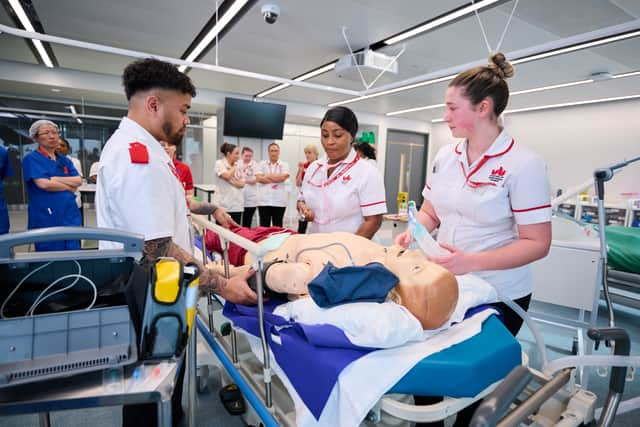

Led by Janetta Baker, Principal Lecturer in Simulation Practice Learning, and Kirsty Shanley, the shortlisted project has transformed how first-year adult nursing students are introduced to general practice nursing through an immersive simulated learning experience developed in partnership with the Central East Integrated Care Board (ICB).
The initiative was created in response to the NHS's long-term ambition to shift more healthcare from hospitals into community settings, ensuring student nurses develop an understanding of the vital role of general practice early in their education.
Previously, a hybrid placement model combining virtual learning with time spent in GP practices had been successful for students in later years of their studies. However, limited placement capacity and the readiness of first-year students meant not everyone could benefit from the experience.
To address this, the University designed a two-day simulation programme available to the entire first-year adult nursing cohort. The programme combines classroom workshops exploring the fundamentals of primary care with realistic simulated GP consultations and clinical scenarios delivered by experienced practice nurses.
Students develop skills in history taking, consultation, manual blood pressure measurement, NHS Health Checks and person-centred care, while gaining first-hand insight into the role of the General Practice Nurse (GPN) and the opportunities available within community healthcare.
The programme has received consistently positive feedback from both students and the GP nurses involved in delivering the sessions. Evaluation showed students reported increased confidence in clinical skills, communication and patient-centred care, alongside a stronger understanding of the role of general practice nursing and the structure of primary care services. 80% of participating students said they would consider a career in primary care after completing the programme, highlighting its potential to strengthen the future nursing workforce.
Janetta Baker, Principal Lecturer in Simulation Practice Learning, said: “We're delighted that this project has been recognised by the Nursing Times Awards. By introducing students to general practice through realistic simulation at the very start of their nursing education, we're helping them build the skills, confidence and understanding they need to deliver high-quality patient care, while opening their eyes to the rewarding career opportunities available in primary and community healthcare. It's fantastic to see the positive impact the programme has had on our students and their enthusiasm for this important area of nursing.”
The University hopes to continue delivering the programme to all first-year nursing students, encouraging greater uptake of GP placements during their studies and inspiring more graduates to pursue careers in general practice and community healthcare as part of its commitment to Career-Powered Education, equipping students with not only academic knowledge but also the practical skills, confidence and industry experience needed to succeed in their chosen careers.
The winners of the Nursing Times Awards 2026 will be announced at a ceremony on 29 October in London.