
AI in the Classroom: The Future of learning
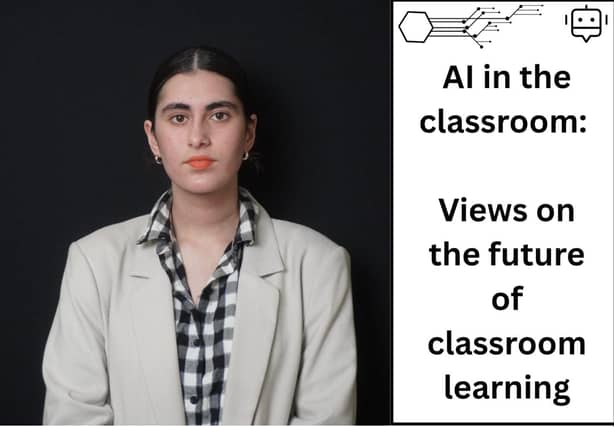

Artificial intelligence (AI) is one of the most talked-about topics of our time. For some, it represents progress and opportunity; for others, it raises concerns about productivity, safety, and over-reliance on technology.
But what happens when this powerful tool enters the classroom? Is it a help or a hindrance?
Supporting Teachers Under Pressure
Teachers often face heavy workloads, from lesson planning to marking homework. AI could ease this burden by assisting with routine tasks. For example, a teacher might use AI to make a presentation more engaging or to generate a quick activity that reinforces learning.
Used in moderation, this support can reduce stress, free up time, and help teachers focus on what matters most, that is connecting with students. Importantly, partial use of AI is more acceptable to parents and pupils than full reliance, as it reduces the risk of errors or unreliable information.
A Practice Partner for Language Learners
Learning a new language is often best achieved through conversation with native speakers, but this isn’t always possible. AI offers an alternative. It can correct grammar and spelling in written exchanges, and some systems can even hold spoken conversations with learners. This makes language practice more accessible and less intimidating, especially for students who may not yet feel confident speaking with native speakers.
Strengthening Student Skills
Not every student grasps new material straight away. AI can provide personalised explanations, breaking down complex ideas into simpler terms and tailoring language to different levels of study. This is particularly valuable in areas such as Luton, where access to extra resources may be limited.
However, balance is key. Struggling through a problem independently builds resilience and critical thinking skills that are essential beyond the classroom. If students rely too heavily on AI, they risk missing out on these opportunities. A useful comparison is the calculator: children first learn multiplication and division before using calculators to speed up the process. Without mastering the basics, the tool becomes a crutch rather than an aid.
Striking the Right Balance
Opposition to AI often stems from the belief that it undermines skill or effort. In reality, effective use of AI should enhance human ability, not replace it. When used responsibly, it can help students and teachers alike to achieve more.
AI is not going away. Its use is expanding across industries, schools, and everyday life. The challenge is not whether to adopt it, but how to do so ethically and effectively. At Att10tive, we believe in embracing new tools that support self-development and empower others. AI, when used wisely, can be one of those tools—helping to enhance learning while safeguarding the skills that make us human.
Visit us at Att10tive.com or find us on YouTube and Instagram.
Mahnoor Usman is a Senior Youth Ambassador at Att10tive Social Enterprise.