
Breaking the silence: Tackling mental health stigma in Luton’s diverse communities by Mahmoud Al-Salim, youth ambassador, Att10tive Social Enterprise
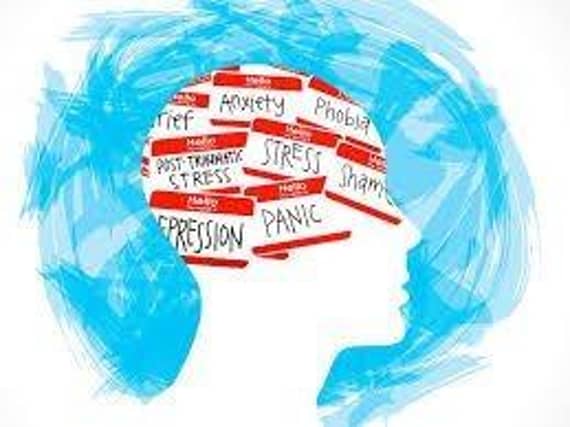

Mental health remains a silent struggle for many young people in Luton. In households where emotional resilience is expected, conditions like anxiety and depression can often be overlooked, leaving young people feeling like they must simply "push through." The reality, however, is that struggling in silence only deepens the problem.
As a town known for its diversity, Luton presents unique challenges when it comes to mental health awareness. In many communities, conversations about mental well-being are limited—not necessarily due to a lack of care, but because certain cultural attitudes have shaped perspectives for generations. This unspoken stigma prevents young people from seeking help and reinforces the idea that vulnerability is a weakness.
A 2024 survey by Place2Be revealed that over half of young people in the UK don’t feel comfortable asking for mental health support due to fear of judgment. This fear is amplified in communities where seeking help is viewed with scepticism or dismissed altogether.
The consequences are becoming more apparent. Recent reports from BBC News (April 2025) highlight a rise in mental health-related school absences, particularly among teenagers from ethnic minority backgrounds. This underscores the urgent need to provide accessible, culturally relevant support systems that young people can trust.
Creating Safe Spaces for Mental Health Support
Luton has taken steps to address this growing concern. Mind BLMK’s Young Person’s Sanctuary offers vital support for 14–17-year-olds, providing a place where they can seek help without appointments or referrals. Young people describe it as one of the few spaces where they feel safe to open up, free from fear of judgment.
Yet services alone aren’t enough. Mental health support must evolve to reflect the real-life experiences, pressures, and family dynamics that young people in Luton face. Without this understanding, existing resources may fail to truly connect with those in need.
Peer-led initiatives are proving to be an effective solution. Speaking to someone who has lived through the same struggles often provides validation and reassurance in ways that professional interventions alone cannot. Sometimes, support isn’t about giving advice—it’s simply about listening and reminding someone that they are not alone.
Mental Health and Luton’s Diversity
Luton’s rich diversity is a strength, and it should be reflected in how we approach mental health. Multilingual households, cultural traditions, and differing generational perspectives shape how people experience mental well-being. Breaking the silence isn’t just about speaking—it’s about listening, understanding, and creating support networks that genuinely meet the needs of young people.
Now more than ever, conversations around mental health need to be normalised. When young people feel seen and heard, real change can happen—not just in professional services, but within families, schools, and everyday interactions.
The road ahead requires collaboration, education, and the courage to challenge outdated narratives. By fostering open discussions and ensuring that support is accessible, trusted, and culturally informed, Luton can take meaningful steps toward breaking the silence on mental health.
Let’s continue the conversation and ensure no young person feels alone in their struggles.
Contact [email protected] or check out our website Att10tive.com