
New apple variety growing in Luton back garden – and you can help name it
A previously unidentified apple variety has been discovered growing in a back garden in High Town, and residents are now being asked to help name it.
The apple was found on Clarendon Road, where a tree believed to be between 70 and 90 years old has been growing for decades.
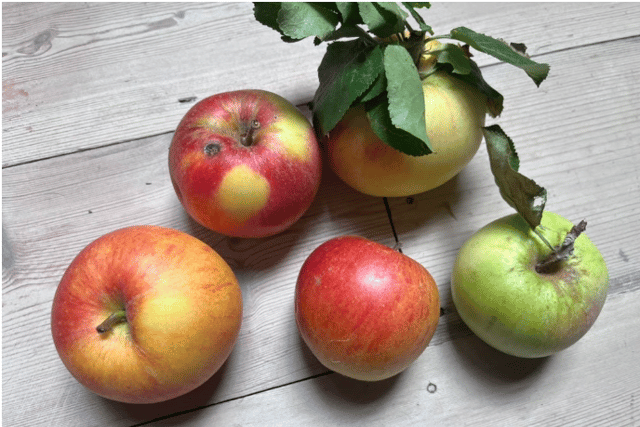

DNA testing carried out in December 2025 confirmed that the tree produces a previously unidentified cultivar.
The probable parents have been identified as two 19th-century varieties: Newton Wonder and James Grieve.
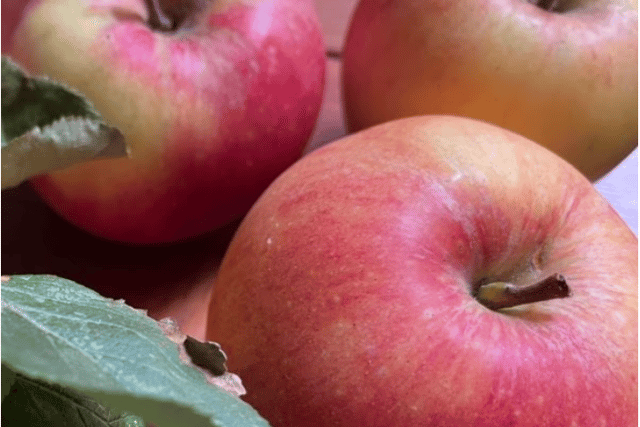
It is believed to have originated as a “chance seedling”, meaning it may have grown naturally from a seed produced by another apple tree, rather than being deliberately bred.
The early-season apple is s a dual-purpose variety, meaning it can be eaten fresh or used for cooking and is described as lemon-yellow, with a red and orange flush.
Researchers have been unable to establish who planted it or why, but a historic Ordnance Survey map also shows fruit trees were once common around the site.
Luton Orchards has now put forward five possible names for the new variety and is asking people to rank the names in order of preference.
The choices are Clarendon Blush, Clarendon Seedling, Clarendon Wonder, High Town Beauty and Luton Wonder, but people can enter their own name suggestions.
The organisation said the proposed names reflect where the apple was discovered, its appearance and its likely parent varieties.
Peter Laws from FruitID.com, who is involved in the DNA scheme and the registration of new local apple varieties, has also provided advice on the discovery.
The find adds to Luton’s history of local orchards and fruit growing, with the group promoting the preservation and planting of orchards across the town.
The new apple has not yet been formally named, but once a name has been chosen, it can be registered as a new variety. You can vote for the new apple name or suggest a name here.