
More than 150 young people waiting over a year for mental health support in Bedfordshire, Luton and Milton Keynes
More than 150 young people in Bedfordshire, Luton and Milton Keynes are being forced to wait over a year for a mental health appointment, figures show.
Youth mental health charity YoungMinds urged the Government to increase investment in mental health services to combat the delays, and called for an independent review to examine the causes of the children’s mental health crisis.
NHS England data shows 1,760 under 18s who sought NHS help with their mental health in the NHS Bedfordshire, Luton and Milton Keynes Integrated Care Board (BLMK ICB) area were still waiting for a first appointment following a referral as of the end of March last year.
Of those, 115 had been waiting for between one and two years, while a further 60 were still waiting after two years.
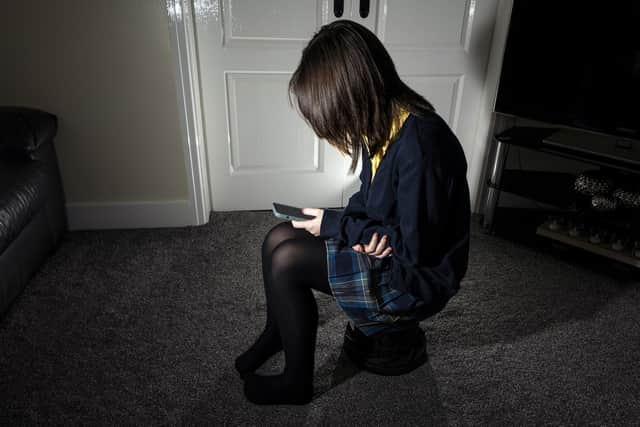

BLMK ICB was approached for comment, but did not respond in time for our deadline.
Olly Parker, head of external affairs at children's mental health charity YoungMinds, said "urgent action" was needed to reverse rising waiting times.
"Growing up today is incredibly tough. Many young people are experiencing multiple pressures which impact their mental health, including poverty, inequality, intense academic pressure and the online world," he added.
"The Government must prioritise young people’s mental health to make this happen. They urgently need to address the root causes of poor mental health and revolutionise the way young people are supported.”
The total average wait time for mental health treatment for under-18s in Bedfordshire, Luton and Milton Keynes was 44 days.
Jeremy Bernhaut, associate director of policy and influencing at Rethink Mental Illness, said long waits for treatment can have "devastating consequences" for young people, warning "many fall through the gaps between services, as they are considered too unwell for school-based support, but not unwell enough to meet the criteria for NHS treatment".
An NHS spokesperson said: "The NHS is seeing record demand for mental health support following the pandemic, and staff are working extremely hard to care for more children and young people than ever before, with 58% more young people now accessing our services compared to pre-pandemic.
"Despite this, we know more needs to be done to improve access, which is why there’s now specialised mental health support in half of England’s schools, and we’ve rolled out 24/7 crisis support for people of all ages for urgent support."