
Mum died from bleed on brain following "inadequate care" after giving birth at Luton & Dunstable Hospital
A first-time mum died from a bleed on the brain just days after giving birth following "inadequate care" by medics who sent her home twice from hospital, a coroner has ruled.
Ilona Kazik, 32, suffered a major obstetric bleed just hours after her first child Antony was born via a planned c-section at Luton and Dunstable University Hospital.


An inquest heard she was sent home from hospital twice in the 24 hours before giving birth, and medics found she had high blood pressure as well as a low platelet count.
But neither issue was recorded or passed on, and she was given a drug which increased her blood pressure even further because staff believed she was "low risk".
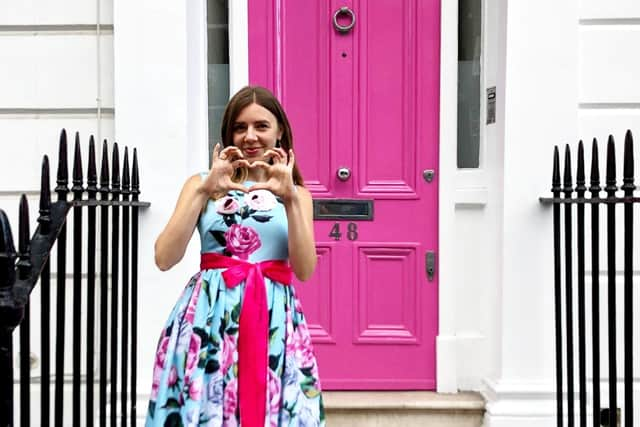
Despite medication, Ilona's condition worsened and hours after the delivery, she complained of headaches, blurred vision and vomiting before becoming unresponsive.
A CT scan revealed the mum had suffered a major brain bleed and she was rushed to Addenbrooke’s Hospital in Cambridge. Doctors said nothing could be done to save her and her life support was switched off on February 25, 2023 – 11 days after Antony’s birth.
Bedfordshire coroner Caroline Jones has now ruled she died from cerebral haemorrhage and pre-eclampsia of pregnancy.
The coroner said there had been a "number of omissions" and "missed opportunities" in Ilona’s care which had "far-reaching consequences."
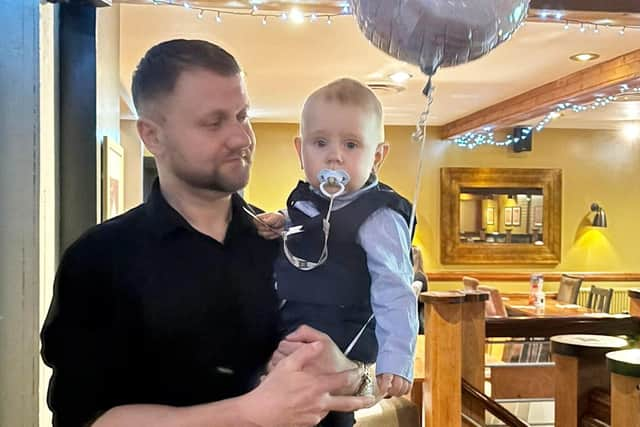
She concluded: "The significance of the deceased’s persistent and severe hypertension meant that she was erroneously administered a contra-indicated drug which, on the balance of probabilities, played a part in increasing blood pressure on a background of evolving but undiagnosed pre-eclampsia.
"Where it is admitted that the deceased should not have received the ergometrine, it is more likely than not that this action more than minimally contributed to the onset of the intracerebral haemorrhage and thus to the death, though it cannot be said overall that her death could probably have been prevented."
The inquest heard Ilona, who worked in a hospital herself, had gone to hospital when her waters broke 24 hours before a planned delivery but was advised to go home. This was despite her blood pressure being high and her blood platelet count low.
The coroner added: "In my assessment, there were a number of omissions in Ilona’s care in the course of this first attendance. The fact of her high blood pressure, at times reaching severe levels, should of itself have triggered a re-evaluation of Ilona’s risk status from low to high and this should have been clearly documented on Ilona’s hospital records.
"In my judgment, the initial failure to identify Ilona as a high risk patient and/or not to communicate this to anyone was an omission with far-reaching consequences."
Ilona returned to the hospital hours later with a severe headache but was once again advised to return home.
The coroner added: "It was a missed opportunity for the notes of the earlier attendance to have been reviewed. The period where earlier omissions did have a material and potentially causative bearing on events occurred once Ilona had been transferred to theatre."
Ilona had spent five years trying for a child with husband Rafal - but she tragically never got to cradle her newborn baby.
Rafal, 43, who is now bringing up Antony by himself, said after the hearing: “Ilona was the most loving, caring and affectionate wife I could have wished for. She was funny, intelligent and witty. She was my best friend. Ilona and Antony made my life complete and I felt blessed to have her as my wife.
“Seeing her in hospital in those final days was horrendous. At no point during visits to hospital ahead of giving birth were we given any cause for concern. We weren’t told about any risks. Instead, we were told everything was fine.
“I don’t think I’ll ever get over losing Ilona in the way we did. We had so many hopes and dreams for the future. However, these will now only remain dreams which we’ll never get to fulfil.
“The hardest thing to try and come to terms with is how Antony has been deprived of his loving mum. That she won’t see him grow up and celebrate milestones in life such as starting school, passing his exams or starting work breaks my heart.
"Despite this Antony will grow up knowing how much his mummy loved him and how proud she would be of him. Ilona was one of the good people and didn’t deserve to die, especially in the way she did.
“All I can hope for now is that by speaking out and raising awareness of what she went through, care improvements are made. I wouldn’t wish the hurt and pain our family have been left to face on anyone.”
Daniella Gregory, the medical negligence lawyer at Irwin Mitchell representing Rafal, added: “This is a truly tragic case with Rafal and the rest of Ilona’s family remaining traumatised by their loss and the circumstances surrounding it.
“Understandably, they’ve had a number of questions and concerns about the circumstances leading up to Ilona’s death.
"The inquest has validated those concerns, highlighting serious shortcomings in the care that she received.
“High blood pressure during pregnancy and childbirth can be incredibly serious. It’s essential that medical professionals are aware of the dangers, provide thorough monitoring, and ensure that patients receive appropriate treatment.
“Sadly, these lessons come too late for Ilona and her loved ones.
"We stand with her family in urging that what happened to her leads to meaningful changes that improve patient safety for others.
"Ilona’s story is a heartbreaking reminder that patient safety isn’t just a clinical issue – it has real, human consequences. We remain committed to supporting Rafal and his family as they navigate this distressing time and begin to process their loss.”
David Carter, chief executive at Bedfordshire Hospitals NHS Foundation Trust, said: “We continue to extend our deepest condolences to the family and loved ones of Ilona Kazik.
"Her death was a devastating tragedy, and our thoughts remain with her husband and child.
"We have reflected deeply on this case and the things we could have done differently.
"Significant changes have already been implemented since Ilona’s death, and further improvements are planned to strengthen maternity safety and clinical communication. We remain committed to learning from this tragedy and ensuring the safest possible care for all mothers and babies.”
Verdict: Narrative.