
Collector's hunt for local coins
For nearly 200 years the coinage in England was produced by moneyers based in major towns around the country.

King Aethelstan, who became King of all England in 927, authorised them to make the silver pennies which were the country’s common currency.
One of the coin mints was based at Bedford and throughout the reigns of the 13 monarchs who succeeded Aethelstan the moneyers continued to hammer out a series of pennies using various distinctive dies.
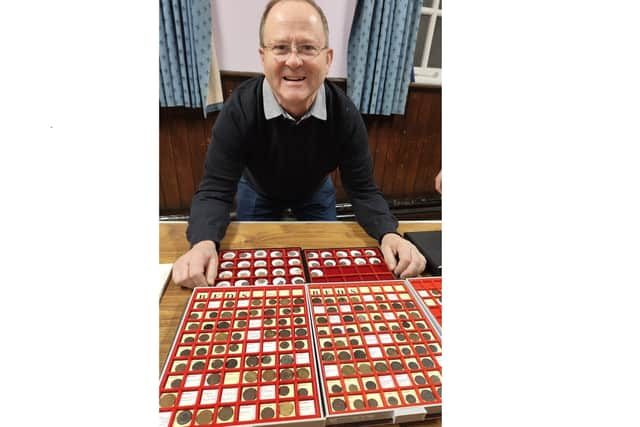
Today, these are highly valued by collectors, one of whom, Simon Rowley of Luton, gave a talk to the November meeting of Dunstable and District Local History Society.
Simon has set out to create a complete collection of the coins created at Bedford. He told the audience which packed the Methodist Church hall that there had been 54 different moneyers minting coins in the town over the 200 years which ended in the reign of King Stephen. The moneyers’ names are all recorded and Simon screened an impressive display of their work.
It is almost impossible to assemble a complete collection but rare examples are still being uncovered as land is redeveloped or fields are searched by metal detectorists.
Simon also showed examples of tokens issued by local businesses in the 17th century when there was a shortage of low-value coins needed to pay for small everyday items. The small-value tokens would be issued as change for the more-valuable official coins, and could be used later to pay for goods at the same shop. He displayed images of tokens produced by Edward Chester, a baker in North Street, Dunstable; Daniel Finch, a grocer in Edlesborough and Dunstable; and William Fossey of Dunstable.