
Research uncovers the opportunities and barriers shaping access to dance across England
Research by the University of Bedfordshire, commissioned by Arts Council England, has revealed the scale and diversity of private dance school provision across England, highlighting its contribution to young people’s lives and the challenges facing providers.
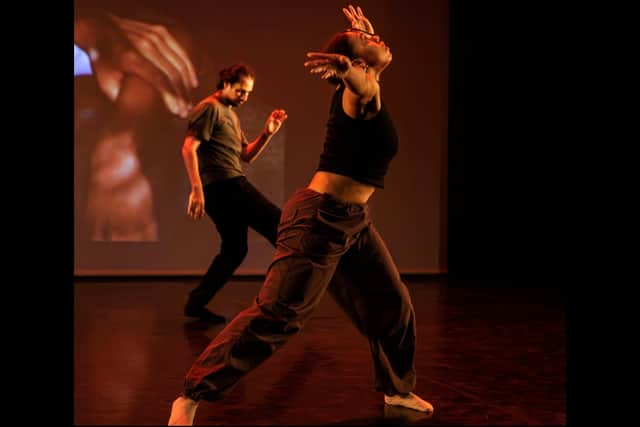

The research identified approximately 5,200 private dance schools working with children and young people across England, providing the clearest picture of the sector to date. Using national mapping, a provider survey, interviews and insights from young people and parents, the study explored where provision is located, who takes part, progression routes and the challenges facing schools.
Findings highlight how dance can support young people’s confidence, creativity, wellbeing and sense of belonging, beyond its potential as a career pathway. The research also found that, while provision reaches communities across England, access is not equal. Geography, cost, disability, suitable venues, dance styles and access to information and networks can all influence opportunities to participate and progress. Many providers also face growing financial pressures.
Emma Gill, Head of Culture and Community Engagement at the University of Bedfordshire, said: “We are proud to have contributed to this important research, which provides valuable insight into the breadth of private dance school provision and the role it plays in young people’s lives. We hope the findings will help inform future conversations and support greater opportunities for children and young people to access and progress in dance.”
The findings complement Arts Council England’s Creative Young Lives Survey, which explores how children and young people engage with arts and culture across England.
The research will also help inform further conversations across the dance sector, education and training organisations and other stakeholders. Arts Council England will host a series of roundtables and webinars to explore the findings, share perspectives and consider how to strengthen access, inclusion, progression and the sustainability of provision.
Cate Canniffe, Director, Dance at Arts Council England, said: “It is really exciting to see the scale, diversity and contribution of private dance school provision in England. What stands out is that the offer of dance training is not confined to more affluent areas; it reaches across all communities - though not always evenly - which demonstrates the value of dance across society. And the range of dance on offer is expansive.
“Dance plays a clear role in young people's lives — whether for enjoyment, health, sociability or as a future career. This research gives us a stronger evidence base from which to listen, learn and build better connections across the wider dance ecology.”
Read the full report and explore the findings: https://www.artscouncil.org.uk/research-and-data/private-dance-schools-research