
Employers back T Levels to develop next generation of skilled workers
Major employers are backing T Levels as a way of developing the next generation of skilled workers, highlighting the value of giving young people practical experience alongside their studies.
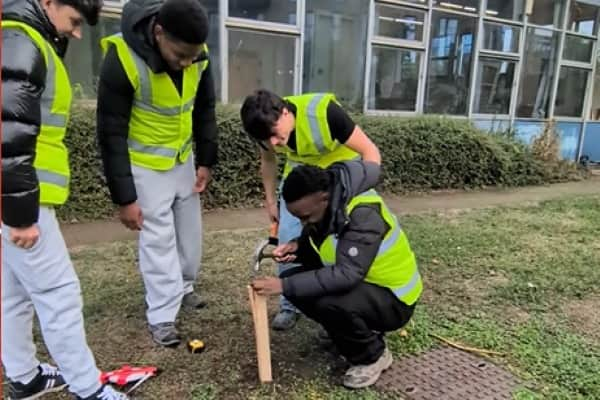

Construction company Willmott Dixon and highways services provider Ringway are among the businesses working with West Herts College Group to provide industry placements, helping students develop workplace skills, build confidence and gain a better understanding of career opportunities.
Their endorsement comes during T Levels Week (19 to 23 October), a national celebration of the technical qualifications and the opportunities they offer students and employers.

T Levels are two-year qualifications combining classroom-based learning with substantial industry placements. Developed in collaboration with employers, they are designed to equip young people with the knowledge and practical skills needed to progress into employment, apprenticeships or higher education.
At West Herts College, civil engineering student Ethan Chaweresa has been gaining first-hand experience of the industry through a placement with Ringway, seeing how the skills developed during his studies are applied in a working environment.
Rob Payne, service development and communications manager at Ringway, said the qualifications offered benefits for both students and businesses.
“T Levels offer a fantastic opportunity for students to gain experience with employers directly linked to their vocational courses.
“When students complete their courses, they are better prepared for their next steps and have already built relationships with businesses that may lead to an apprenticeship or other opportunities.
“Colleges can also work with companies to help develop courses and identify further opportunities.
“Working with West Herts College and Ethan has been a really positive experience and one that we are looking to develop going forward.”
Ethan, who has plans to go to university to study civil engineering, said: “I wanted to study a T Level because I thought it would be a better option to A Levels, giving you more industry opportunities. I thought it would be better for my future if I had an edge.”
Willmott Dixon, which works in partnership with Barnfield College in Luton, believes industry placements also play an important role in helping employers identify and nurture future talent.
Matthew Weatherby, senior social value manager at Willmott Dixon Construction, said: “Providing T Level industry placements is about more than giving students work experience. It’s an opportunity to help young people build skills, confidence and a clearer understanding of the careers available to them.
“Our partnership with Barnfield benefits by bringing learning to life, while giving us the chance to nurture future talent and strengthen the industry's skills pipeline.”
West Herts College Group, which includes West Herts College in Watford and Hemel Hempstead and Barnfield College in Luton, works closely with employers to ensure students gain the practical experience and industry knowledge needed for their future careers.
The partnerships also give businesses an opportunity to engage with young people entering their sectors, share their expertise and contribute to the development of the future workforce.
Amanda Washbrook, executive principal, partnerships and business development, West Herts College Group, said: “T Levels are about bringing education and employment closer together. Students gain an understanding of what it’s really like to work in their chosen industry, while employers have an opportunity to help develop the skills they need.
“Partnerships with businesses such as Willmott Dixon and Ringway are vital to making that happen. Their commitment gives our students valuable experience, professional connections and a clearer picture of the opportunities available to them when they complete their studies.
“T Levels Week is an opportunity to recognise the contribution employers make and the difference these partnerships can make to young people's futures.”