
OPINION: 150 Years of Luton, generations of Black history, one shared sense of belonging
As Luton celebrates 150 years since gaining borough status in 1876, we have a unique opportunity to reflect not only on our town's rich history but also on the many communities and cultures that have helped shape the Luton we know today. Luton became a municipal borough in 1876, marking an important milestone in its civic development and self-governance.
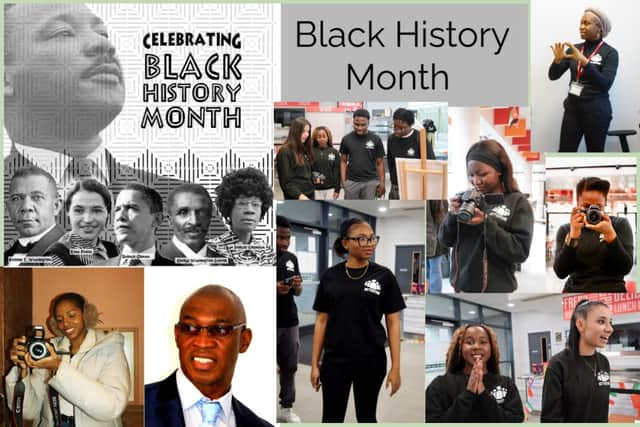

Black History Month provides an important moment for that reflection. However, Black history is not confined to October, just as the story of Luton is not confined to the past 150 years. The month serves as a valuable reminder and catalyst, encouraging us to recognise, celebrate and learn from histories and contributions that are woven into our everyday lives and our shared future.
At its heart, Black History Month is about understanding the complete story of Britain. It is about acknowledging the contributions, achievements, struggles and successes of people of African and Caribbean heritage who have enriched our society in every field imaginable. As Black History Month UK itself highlights, Black history is an integral part of Britain's national story and should be recognised year-round, not simply during a single month of the year.
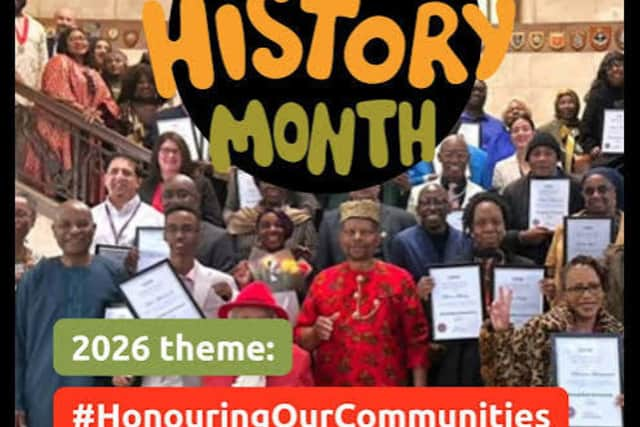
The story of modern Britain cannot be told without recognising the contributions of Black communities. From the Windrush generation and those who arrived before them, to the generations that have followed, people of African and Caribbean heritage have helped build and strengthen the United Kingdom.
The impact can be seen in science, technology, medicine, education, business, sport, media, politics and the arts. Britain has benefited from pioneering inventors and innovators, world-class healthcare professionals, dedicated teachers and academics, business leaders, journalists, broadcasters, musicians and performers. We have celebrated sporting icons who have inspired generations and media personalities who have helped shape national conversations and culture.
These contributions are not separate from British history. They are British history.
Here in Luton, a town that has long been shaped by migration, diversity and enterprise, this message is particularly powerful. Our community has been enriched by residents from across the Caribbean and Africa who have contributed to our public services, schools, businesses, faith organisations, cultural life and civic leadership. Their stories form part of Luton's story.

As we celebrate Luton 150, we should remember that our borough's strength has always been its people. The history of Luton is one of adaptation, innovation and resilience. Successive generations have arrived here, built lives, raised families and contributed to the town's growth and prosperity. The diversity we see today is not a recent addition to Luton's identity. It is a fundamental part of who we are.
The crucial role of schools and colleges.
Educational institutions have a responsibility that extends beyond academic achievement. They prepare young people for the world they will enter. Whether a school is highly diverse or has very little ethnic diversity, every child deserves an education that reflects the richness and complexity of the society in which they live.
Young people will go on to study, work and build relationships in an increasingly interconnected world. They need knowledge, understanding and cultural confidence to thrive within it. Learning about Black history, Black achievement and diverse perspectives helps all students develop these skills.
Importantly, this is not about promoting one group's history at the expense of another. It is about ensuring all young people receive a balanced and inclusive education that accurately reflects our shared national story.
Schools and colleges should therefore view Black History Month not as a stand-alone event, but as a starting point for deeper and more sustained engagement throughout the year.
The concept of belonging should sit at the centre of this work.
Belonging means that every student feels seen, valued, respected and able to succeed. It means recognising that diversity is a strength. It means creating environments where differences are celebrated while shared values bring us together.
To support this vision, schools and colleges should consider the following actions throughout the year:
1. Embed diverse perspectives across the curriculum
Black history and the contributions of people from different backgrounds should be integrated naturally across subjects, not confined to special events or designated months.
2. Review reading materials and learning resources
Ensure books, case studies, examples and teaching materials reflect the diversity of modern Britain and provide students with a wide range of role models.
3. Celebrate achievement all year round
Highlight the achievements of individuals from African, Caribbean and other under-represented backgrounds in assemblies, displays, newsletters and lessons throughout the academic year.
4. Create meaningful opportunities for student voice
Provide safe spaces where students can share experiences, celebrate identity and contribute to discussions about inclusion and belonging.
5. Invest in staff development
Support teachers and leaders to develop greater confidence and competence in delivering inclusive curricula and fostering inclusive learning environments.
6. Strengthen community partnerships
Work with local community groups, cultural organisations, faith institutions, businesses and civic leaders to enrich students' understanding of local and national history.
7. Promote anti-racist values and respectful dialogue
Create cultures where prejudice is challenged, differences are respected and difficult conversations can take place constructively.
8. Ensure representation in leadership and aspiration-building
Expose students to diverse role models through guest speakers, mentoring programmes and leadership opportunities.
9. Use data and feedback to drive school improvement
Regularly assess students' sense of belonging, inclusion and wellbeing, using this information to inform action and accountability.
10. Connect inclusion to core values
Make belonging, respect, integrity, kindness, aspiration and service visible in everyday school life rather than treating them as separate initiatives.
As we mark Black History Month and celebrate 150 years of borough status in Luton, we should do so with a clear understanding that history is not simply something we inherit. It is something we continue to create together.
The greatest tribute we can pay to those who came before us is not only to remember their contributions, but also to ensure future generations understand them, value them and build upon them.
Black History Month reminds us of that responsibility. Luton 150 reminds us of our shared journey. Together, they offer an opportunity to strengthen our commitment to belonging, inclusion and the values that unite us as a community.
Because when every person feels they belong, every community becomes stronger, and every young person is better prepared to contribute to the future we will build together.